The Dominique chicken, often referred to as the “Dominicker” or “Pilgrim Fowl,” is one of America’s oldest chicken breeds, tracing its roots back to the colonial period. This hardy and adaptable breed is known for its striking barred plumage, with alternating black and white stripes that provide a distinctive, checkered appearance. Dominiques are dual-purpose birds, valued for both their meat and egg production. Hens typically lay around 230–270 medium-sized brown eggs annually. Dominiques are renowned for their calm and friendly temperament, making them ideal for backyard flocks. Their rose combs, which are less prone to frostbite, and their thick feathering make them particularly well-suited to colder climates. The breed’s history is deeply tied to early American homesteads, where they were favored for their practicality and resilience. In the 19th century, prominent breeder A. Q. Carter was instrumental in preserving and promoting the breed. Notably, a Dominique hen named “Barb” became famous in the 1950s for laying an exceptional number of eggs, showcasing the breed’s productivity. Recognized by the American Poultry Association in 1874, Dominiques were once endangered but have seen a resurgence thanks to conservation efforts. Today, they remain cherished for their historical significance, beauty, and utility in small farms and urban settings alike.
Showing all 3 resultsSorted by latest
-

Dominique Fence Tote Bag
$49.95 -
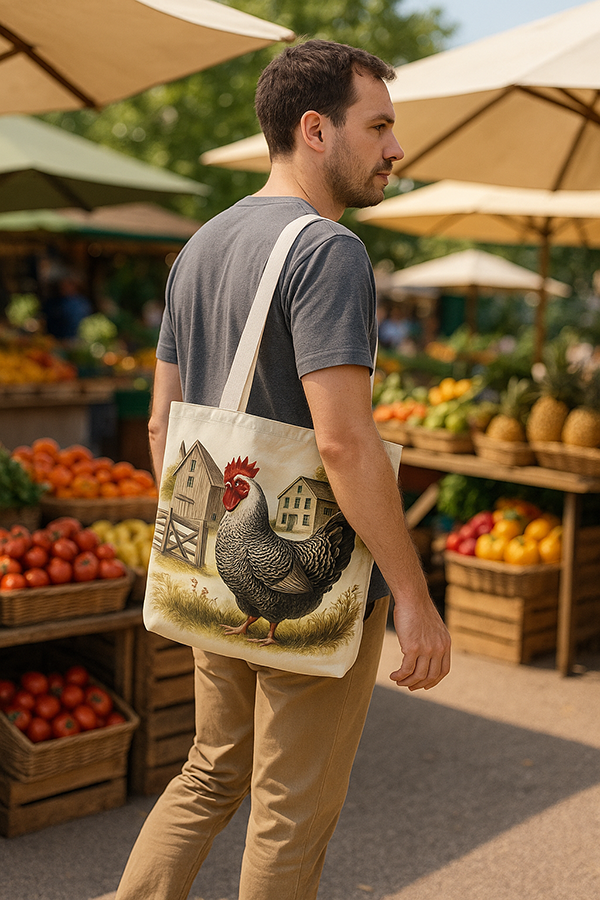
Dominique Farm Tote Bag
$49.95 -
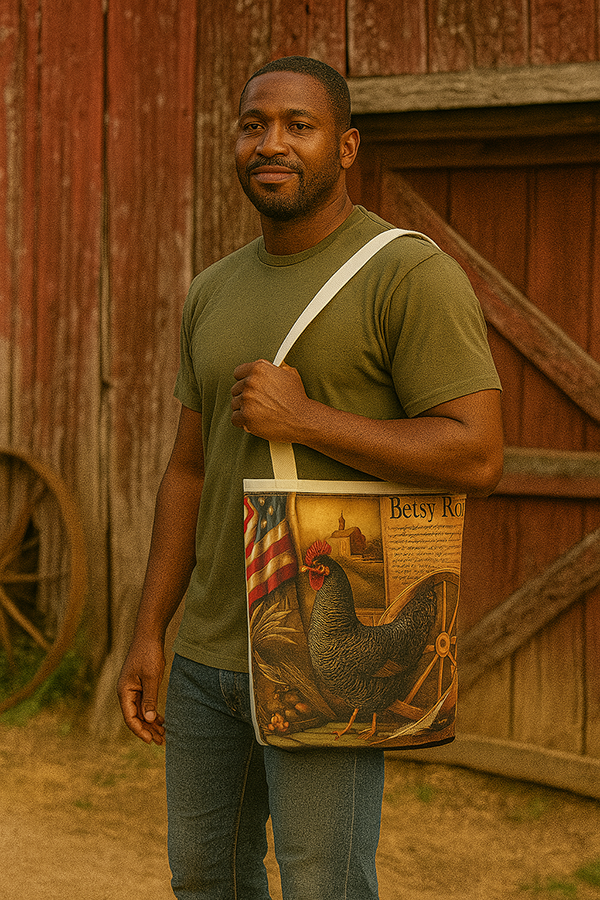
Dominique Heritage Tote Bag
$49.95